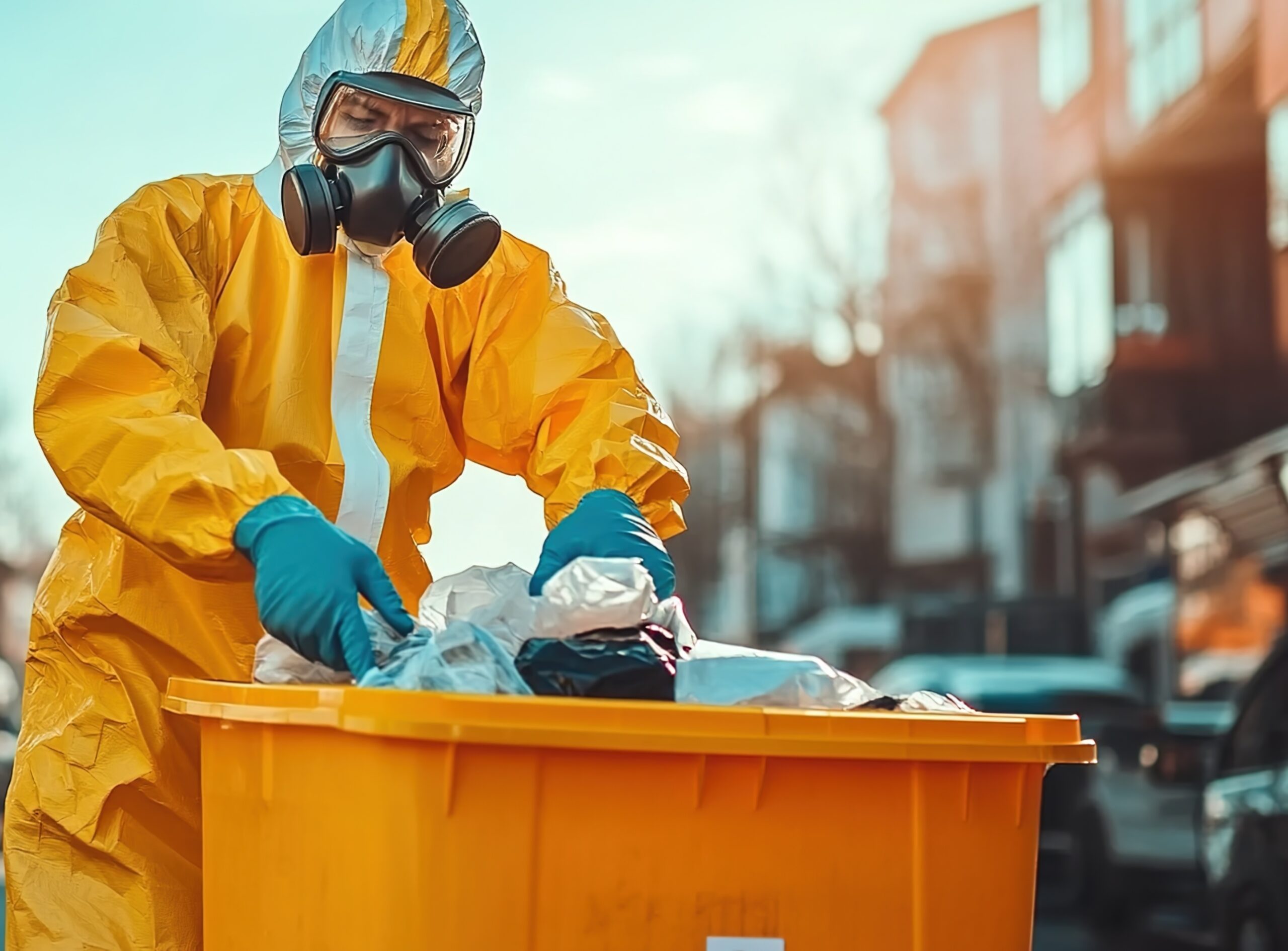
When a traumatic incident, unattended death, infectious disease exposure, or other biohazard event occurs on a commercial property, the cleanup process extends far beyond removing visible contamination. Trauma and biohazard cleanup regulations establish the framework that protects building occupants, cleanup technicians, property owners, and anyone who may enter the affected space afterward.
For commercial property managers, facility directors, healthcare administrators, and restoration partners, understanding biohazard cleanup regulations is not simply about compliance. It is about reducing liability, protecting employee health, preserving public confidence, and ensuring hazardous materials are handled safely from the moment work begins until waste reaches its final disposal destination.
Unlike routine cleaning services, trauma and biohazard remediation involves regulated work practices governed by federal agencies, industry standards, and state-specific disposal requirements. Restoration companies that understand these requirements help property managers navigate complex situations with confidence while minimizing operational disruption.
This guide explains the regulations that shape professional trauma and biohazard remediation and why choosing the right restoration partner matters before an emergency ever occurs.
Table of Contents
Why Regulations Matter in Trauma and Biohazard Cleanup
Not every biohazard event looks the same.
One property may require cleanup following an unattended death inside an apartment. Another may involve blood contamination after a workplace accident, sewage intrusion in a healthcare facility, or infectious waste generated during a medical emergency. Although each situation presents different risks, they all share one common requirement: cleanup must follow established safety protocols designed to protect both workers and the public.
Professional remediation is not simply about disinfecting a surface. Contaminated materials must be evaluated, appropriate personal protective equipment must be selected, hazardous waste must be packaged correctly, transportation requirements must be followed, and documentation must support the work performed.
Failure to follow applicable biohazard cleanup regulations can expose property owners to significant risks, including employee exposure, environmental violations, insurance complications, and unnecessary liability.
Experienced providers of biohazard cleanup services understand that regulatory compliance is built into every stage of the remediation process rather than treated as an administrative task after the work is complete.
OSHA Bloodborne Pathogens Standard Forms the Foundation
The single most important regulation governing trauma scene cleanup is OSHA’s Bloodborne Pathogens Standard (29 CFR 1910.1030).
Originally developed to protect healthcare workers, the standard applies whenever employees may reasonably anticipate contact with human blood or other potentially infectious materials during the course of their work. For restoration professionals performing trauma cleanup, compliance is mandatory.
The standard requires employers to develop comprehensive exposure control programs that include:
- Exposure control plans
- Employee training
- Hazard assessments
- Engineering and work practice controls
- Appropriate personal protective equipment
- Hepatitis B vaccination availability
- Post-exposure evaluation procedures
- Proper decontamination methods
- Regulated waste handling
One of the most important principles behind the standard is the concept of Universal Precautions. Every blood or bodily fluid exposure must be treated as though it contains infectious pathogens, regardless of whether contamination is visibly apparent or a diagnosis is known.
This approach reduces unnecessary assumptions and creates a consistent safety culture across every job site.
For commercial property managers, working with a restoration company that follows OSHA protocols helps ensure that remediation activities are being performed according to nationally recognized worker safety requirements.
Hazard Communication Protects Everyone on the Job Site
While biological hazards receive much of the attention during trauma cleanup, chemical hazards are equally important.
OSHA’s Hazard Communication Standard, commonly referred to as HazCom (29 CFR 1910.1200), requires employers to identify hazardous chemicals used during remediation and communicate those hazards effectively to employees.
Professional trauma cleanup often involves EPA-registered disinfectants, specialty cleaning agents, odor removal products, and other chemical solutions that require careful handling.
Compliance includes:
- Proper chemical labeling
- Safety Data Sheets (SDS) readily available
- Employee training on chemical hazards
- Appropriate storage procedures
- Safe mixing and application practices
HazCom requirements help ensure technicians understand not only biological risks but also the safe use of the products designed to eliminate them.
For occupied commercial facilities, proper chemical management also helps minimize unnecessary exposure for building occupants during remediation activities.
Transportation Regulations Continue After Cleanup Ends
Many people assume regulatory oversight ends once contaminated materials leave the building.
In reality, another important layer of trauma and biohazard cleanup regulations begins when waste is prepared for transport.
The U.S. Department of Transportation regulates how certain infectious and regulated medical waste must be packaged, labeled, documented, and transported on public roadways.
Improper transportation can create serious public safety risks long after remediation is complete.
Professional restoration companies understand requirements involving:
- Approved leak-resistant containers
- Secondary containment
- Proper labeling and markings
- Packaging standards
- Transportation documentation
- Delivery to authorized treatment or disposal facilities
These procedures help protect transportation workers, disposal personnel, and the public while maintaining an auditable chain of custody for regulated waste.
For property managers, this means cleanup responsibilities do not stop once debris leaves the site. Proper disposal remains an essential part of regulatory compliance.
Industry Standards Provide the Technical Roadmap
While OSHA establishes workplace safety requirements, the restoration industry also relies on technical standards developed by the Institute of Inspection Cleaning and Restoration Certification (IICRC).
Although IICRC standards are not federal law, they are widely recognized throughout the restoration industry and frequently referenced by insurance carriers, consultants, and commercial property owners when evaluating whether work was performed according to accepted professional practices.
Several standards frequently apply during trauma and biohazard remediation.
ANSI/IICRC S540 Standard for Trauma and Crime Scene Cleanup
S540 serves as the primary technical standard for trauma scene remediation.
It provides guidance for assessing contamination, establishing work zones, selecting appropriate personal protective equipment, decontamination procedures, cleaning verification, waste handling, documentation, and worker safety.
For restoration professionals, S540 represents the industry’s most comprehensive framework for trauma and biohazard cleanup.
ANSI/IICRC S500 Water Damage Restoration
Many trauma scenes also involve water damage resulting from firefighting activities, plumbing failures, unattended deaths, or bodily fluid migration into building materials.
S500 establishes procedures for structural drying, moisture measurement, material evaluation, and documentation that help prevent secondary damage during restoration.
ANSI/IICRC S520 Professional Mold Remediation
Delayed discovery of trauma scenes or prolonged moisture exposure can create conditions favorable for microbial growth.
When mold remediation becomes part of the restoration project, S520 provides guidance for containment, remediation, engineering controls, and post-remediation evaluation.
Together, these standards allow restoration professionals to address complex losses using recognized technical procedures rather than improvised cleanup methods.
HIPAA Privacy Awareness Is About Protecting Information, Not Performing Healthcare
HIPAA is often misunderstood in the restoration industry.
A common misconception is that restoration companies must be HIPAA compliant in the same way hospitals or healthcare providers are. In most situations, that is not the case. However, restoration professionals frequently work in environments where protected health information or sensitive personal information may be visible during the course of a cleanup.
For example, technicians responding to a trauma scene inside a healthcare facility, assisted living community, medical office, or private residence may encounter medical records, prescription information, patient identification, or other confidential materials.
Professional restoration companies should train employees to recognize these situations and limit unnecessary access or disclosure of private information. They should also establish internal procedures for handling photographs, documentation, conversations, and digital records with discretion.
For property managers, this privacy awareness demonstrates professionalism and helps maintain trust with tenants, families, employees, and healthcare partners during an already sensitive situation.
State and Local Regulations Add Another Layer of Compliance
Federal regulations establish the baseline for worker safety and transportation, but they are only part of the compliance picture.
Every state has its own requirements governing the handling, storage, transportation, treatment, and disposal of regulated medical waste and other biohazardous materials. Local environmental agencies and public health departments may also impose additional rules depending on the type of waste involved and the jurisdiction where the incident occurs.
While state and local requirements vary, they are generally built upon broader federal hazardous waste management principles. The EPA’s Resource Conservation and Recovery Act (RCRA) provides the framework for managing hazardous waste in a way that protects both human health and the environment, making it a valuable resource for understanding the broader regulatory landscape surrounding waste handling and disposal.
Requirements may include:
- Approved disposal facilities
- Registration or permitting requirements
- Documentation and record retention
- Waste segregation procedures
- Packaging specifications
- Time limits for storing regulated waste before disposal
Because these requirements vary from state to state, experienced restoration companies stay informed about the regulations that apply in the jurisdictions they serve.
For commercial property owners with facilities across multiple states, working with a restoration partner that understands regional regulatory differences helps reduce compliance risks and ensures every project follows applicable disposal requirements.
Questions Property Managers Should Ask Their Restoration Partner
The best time to evaluate a trauma cleanup provider is before an emergency occurs.
A qualified restoration partner should be prepared to explain not only how they perform remediation but also how they manage regulatory compliance throughout the project.
Consider asking questions such as:
Are your technicians trained under OSHA Bloodborne Pathogens requirements?
Training should include exposure control procedures, personal protective equipment, decontamination methods, and safe work practices.
Which IICRC standards guide your remediation process?
Companies performing trauma remediation should be familiar with ANSI/IICRC S540 and any additional standards that may apply based on the nature of the loss.
How do you manage hazardous waste transportation and disposal?
The answer should include proper packaging, transportation procedures, and disposal through authorized facilities that meet applicable regulations.
How do you document remediation activities?
Professional documentation should include photographs, work logs, waste manifests when applicable, moisture readings if water damage is involved, and detailed reports that support insurance documentation and property records.
What procedures protect occupant privacy?
Although restoration companies are not healthcare providers, they should demonstrate a clear understanding of privacy expectations when working in sensitive environments.
These conversations provide valuable insight into whether a contractor views compliance as an integral part of the remediation process or simply an administrative requirement.
Why Compliance Protects More Than Regulations
Following biohazard cleanup regulations is not simply about avoiding citations or meeting contractual obligations.
Every regulation exists because it addresses a real-world risk.
OSHA standards protect workers from occupational exposure to infectious materials. Hazard Communication requirements reduce chemical hazards. DOT transportation rules protect the public once contaminated materials leave the job site. IICRC standards establish consistent technical procedures that improve the quality of remediation. Privacy awareness helps maintain dignity and confidentiality during sensitive events. State disposal regulations reduce environmental risks and ensure hazardous waste reaches approved facilities safely.
Together, these requirements create a comprehensive system designed to protect everyone involved.
For commercial property managers, selecting a restoration company that understands trauma and biohazard cleanup regulations provides confidence that remediation is being performed responsibly from the initial assessment through final disposal.
Why the Right Restoration Partner Makes the Difference
Trauma and biohazard events require more than technical cleaning expertise. They require disciplined project management, regulatory knowledge, clear communication, and respect for the people affected by the incident.
An experienced restoration partner understands how to secure the scene, protect workers, coordinate with property management, document the remediation process, and follow recognized industry standards every step of the way.
While regulations and industry standards guide every technical decision, trauma and biohazard cleanup also requires compassion, discretion, and professionalism. Property owners deserve a restoration partner who understands both the regulatory requirements and the human impact of these sensitive situations.
At Spangler Restoration, our certified professionals approach every biohazard incident with safety, professionalism, compassion, and discretion. We follow recognized industry standards, prioritize regulatory compliance, and work efficiently to help property owners restore safe environments while minimizing disruption to operations.
Because in situations where health, safety, and liability intersect, experience matters.
Bringing It All Together
Trauma and biohazard incidents present challenges that extend well beyond cleaning and disinfection. They involve worker safety, hazardous waste handling, privacy considerations, technical restoration standards, and regulatory compliance at multiple levels.
Understanding biohazard cleanup regulations allows commercial property managers to make informed decisions before an emergency occurs and helps ensure remediation is completed safely, responsibly, and in accordance with recognized industry practices.
The strongest emergency response plans begin long before an incident happens. Identifying a qualified restoration partner who understands trauma and biohazard cleanup regulations gives your team the confidence to respond quickly, protect occupants, and reduce risk when every decision matters.
Need a Restoration Partner Who Understands Biohazard Cleanup Regulations?
When a trauma or biohazard event occurs, experience and compliance go hand in hand. Spangler Restoration provides professional remediation services backed by certified and trained technicians, recognized industry standards, and a commitment to protecting people, property, and public safety throughout every stage of the cleanup process.
Contact Spangler Restoration today to learn how our team can help you navigate biohazard cleanup regulations and prepare your properties before an emergency occurs.
You Might Also Like
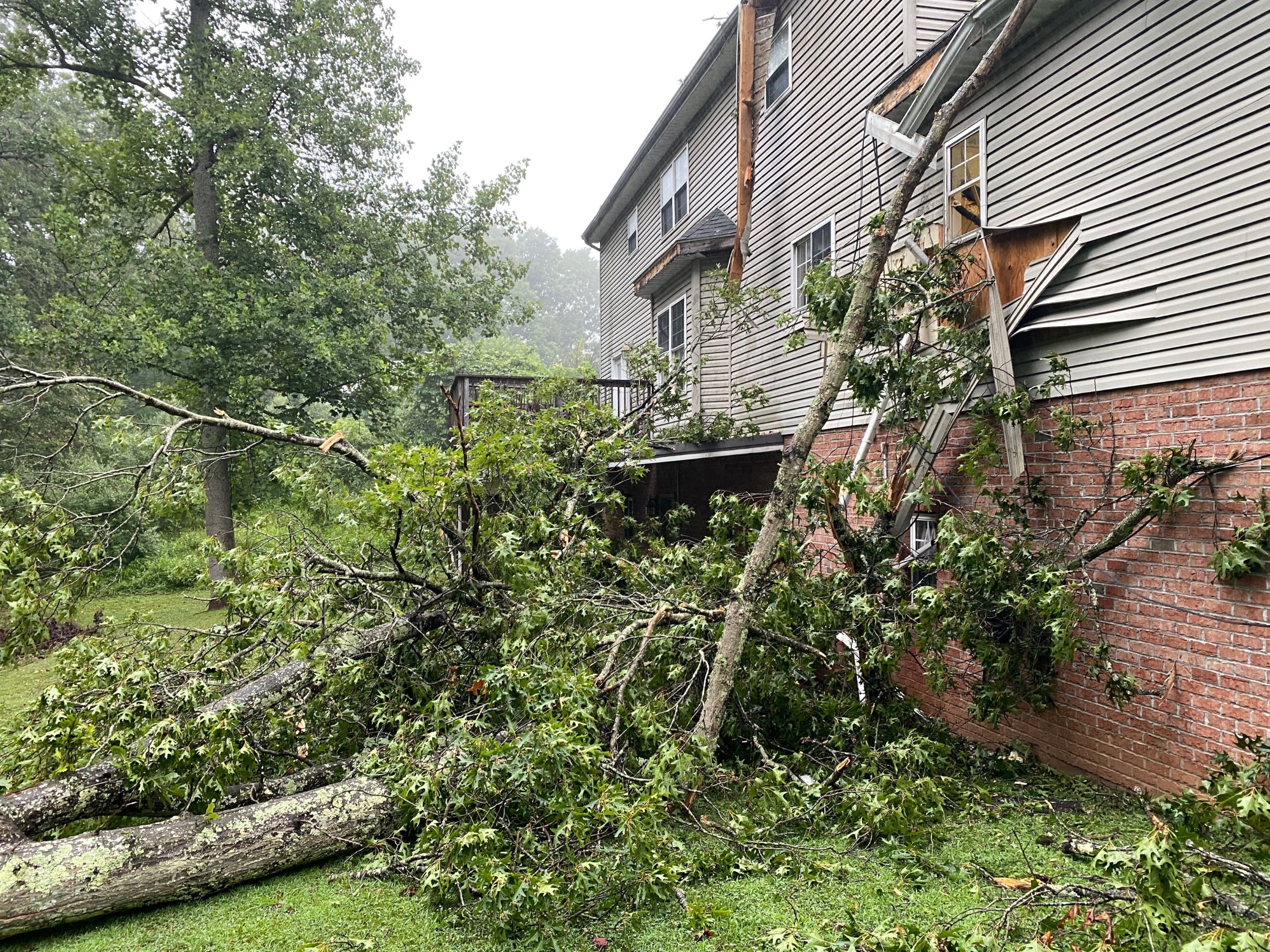
Summer Storm Damage in Charlotte: What to Do After a Thunderstorm
Top Restoration Trends Facilities Teams Need to Watch