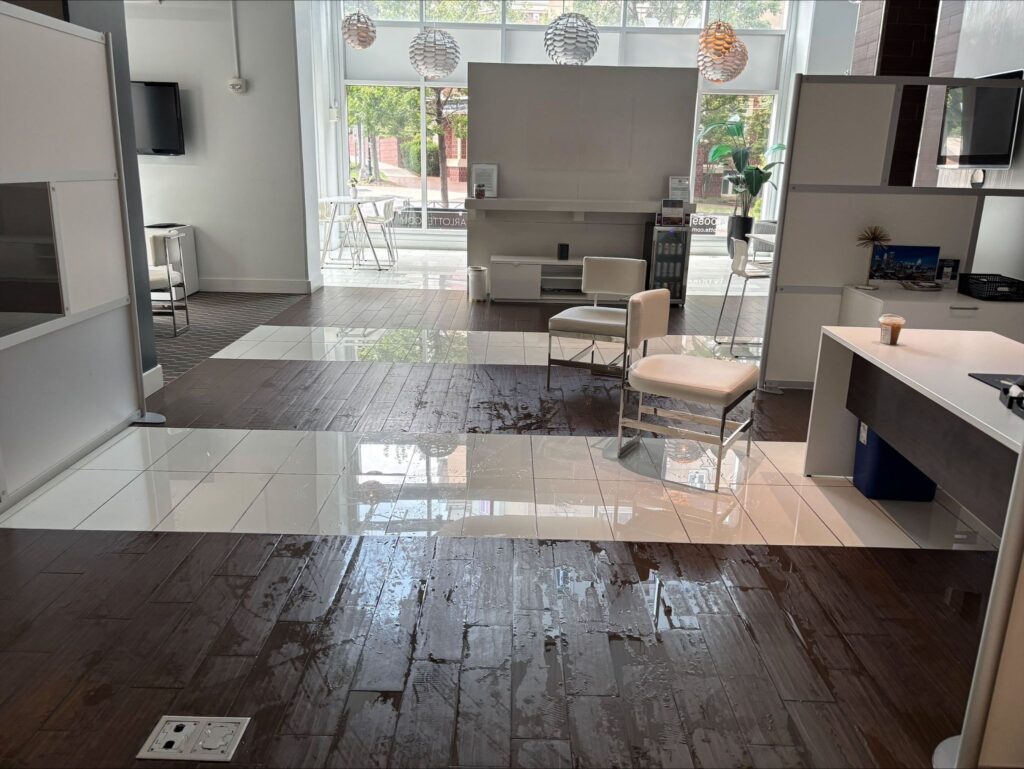
When something goes wrong at your commercial property, every second counts. How quickly you respond and the decisions you make can save you a lot of headaches later. The thing is, restoration work today isn’t what it used to be, even a few years ago.
The whole restoration industry is changing fast. We are seeing new technology, and everyone expects more when it comes to safety and making sure everything is documented. Facilities teams that keep up with these changes are just better prepared. They can react faster, get things back to normal quicker, and protect their buildings better.
Here are the biggest restoration industry trends right now. These are shaping how emergency restoration is handled and what facilities teams really need to be paying attention to.
Table of Contents
Everyone Expects Faster Responses Now
Speed has always been a big deal in restoration. But these days, people expect things to happen even quicker.
Facilities managers aren’t just asking how fast a team can show up anymore. They want firm promises, clear plans for how everyone will work together, and accountability the minute they make that call.
This change means restoration companies are now:
- Giving solid timelines on how fast they will respond.
- Having multiple offices to scale internally so they can handle larger jobs.
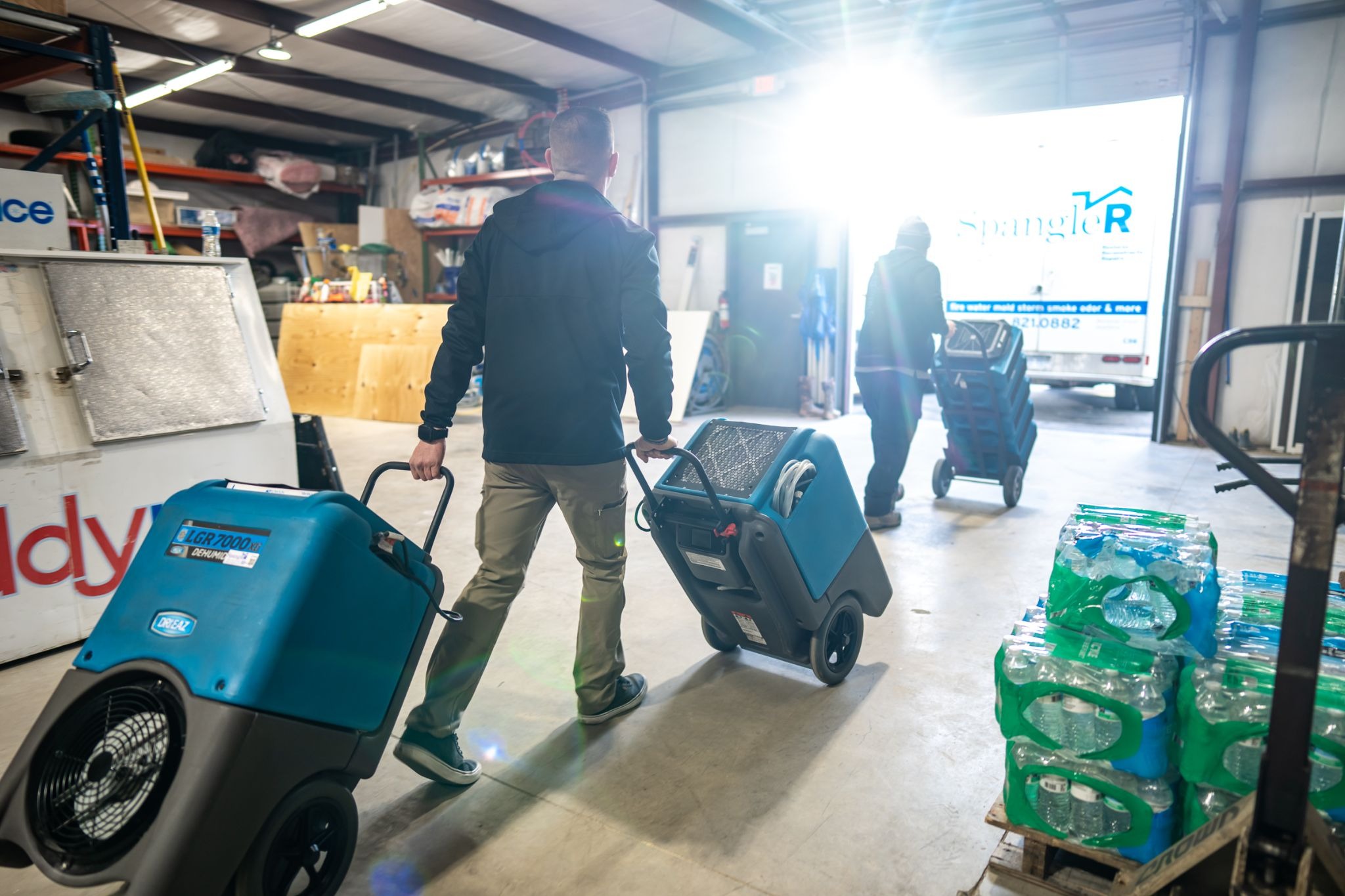
- Having teams prepared with proper tools and equipment on hand to avoid travel delays.
For facilities teams, this means you need partners who can actually show up when they say they will. And they need to be able to get more people and equipment on site quickly if things get worse.
Technology is Making Restoration Smarter and More Efficient
One of the most important restoration industry trends is how quickly everyone is using new technology.
Modern restoration crews are using tools that help them work faster and more accurately, especially in situations like water damage restoration where hidden moisture can cause long-term issues. This includes things like:
- Using moisture reading instruments and thermal cameras to find hidden damage for moisture mapping
- Monitored systems that report on site readings to evaluate how things are drying in real time, remotely.
- Advanced digital documentation platforms streamline field reporting, moisture tracking, photo capture, estimating, and insurance claim documentation, improving accuracy, transparency, and claim processing speed.
These tools help teams make better choices on-site and avoid unnecessary hold-ups. For facilities managers, this means less guessing and more confidence in the whole restoration process.
Documentation is a Huge Part of the Job Now
Restoration isn’t just about cleaning up messes anymore. Keeping good records has become a critical part of every single project.
Insurance companies, consultants, building owners, and property managers all demand clear, detailed documentation. If you don’t have it, claims can get delayed or even denied.
Today, restoration companies are expected to provide:
- Photos and videos from the very beginning to the very end.
- Detailed notes on moisture levels and logs on how the drying is progressing.
- Clear updates & reports that help with insurance claims and meeting all the rules.
Facilities teams should really look for partners who see documentation as a main service, not just something they do if they remember.
Certified, Qualified Teams are More Important Than Ever
Another big trend in emergency restoration is how much people care about certifications and training.
Facilities managers want to know that the people coming to their property are real professionals, not just temporary workers.
Look for restoration teams who have certifications from groups like:
- IICRC for how to handle water, fire, and mold problems.
- CICTI Courses | CICTI for empowering individuals to recognize and implement appropriate Infection Control Risk Assessment (ICRA) strategies is at the core of CICTI’s mission in Healthcare.
- OSHA for making sure everyone is safe on the job, following standards set by the Occupational Safety and Health Administration.
- Other special certifications, depending on what kind of damage happened.
This makes sure the work gets done right, safely, and exactly how the industry says it should be.
Planning Ahead is Replacing Waiting for Trouble
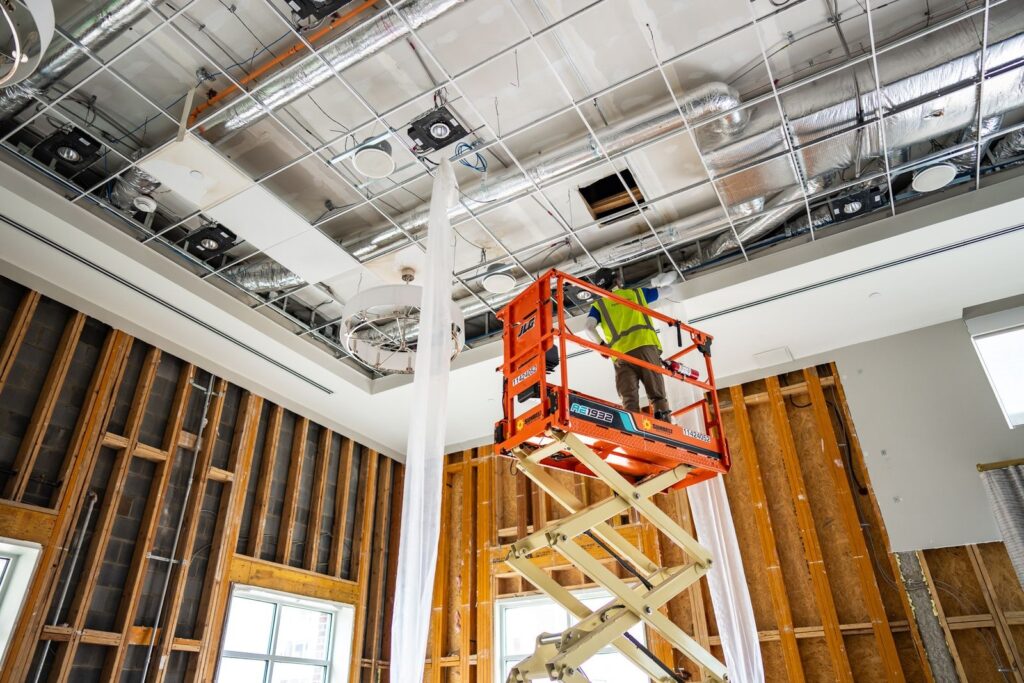
No one wants to just sit around and wait for an emergency to happen anymore.
More and more facilities teams are making plans before anything goes wrong. This includes:
- Having emergency response plans specifically for their building.
- Picking their restoration partners before they even need them and having an MSA in place with agreed pricing
- Having clear ways for their own staff to talk to each other during a crisis.
This way of planning ahead stops a lot of confusion when an emergency hits. It also means restoration teams can jump into action immediately when every minute truly counts.
Health, Safety, and Safe Air Quality are Top Priorities
After the pandemic, everyone is much more focused on health and safety in commercial buildings.
Restoration work is now closely connected to things like safe indoor air quality, stopping dangerous spores from spreading, and making sure buildings are safe to be in.
Facilities teams are increasingly worried about:
- Setting up proper containment during restoration work.
- Filtering and cleaning the air.
- Identifying, controlling, and remediating mold contamination to restore a healthy indoor environment.
Working with a restoration partner who is IICRC certified and understands these concerns helps keep both the public and your property safe.
Being Able to Handle Big or Complicated Jobs
Not every restoration project is the same size. Some need just a small team, while others need a larger , coordinated effort.
A growing trend in the restoration industry is the ability to rapidly scale manpower and equipment resources to match the size, complexity, and urgency of a loss. This means a company should have:
- The ability to scale internally with multiple offices to meet the needs for a large loss and not have to rely on outside sources to execute and manage the job.
- The ability to rapidly mobilize additional drying, environmental, and specialty equipment to support losses of any size.
- Skilled project managers with expertise in managing complex losses, coordinating stakeholders, and driving projects to successful completion.
Facilities teams should look for companies that can handle everything from a small leak to large , serious events without delays.
Clear Communication is Expected Every Step of the Way
Proactive communication among clients, insurance partners, and project teams is now just as important as the technical execution of the restoration process..
Facilities managers need regular updates, clear timelines, and transparency throughout the whole process.
The best restoration companies are elevating the customer experience through proactive communication by:
- Assigning a dedicated point of contact throughout the project.
- Providing consistent updates on project progress and next steps.
- Utilizing digital platforms to deliver real-time documentation, reporting, and transparency.
This kind of communication helps facilities teams stay informed and make better decisions during what can be a very stressful time.
Picking the Right Partner Matters More Than Ever
With all these changes, choosing the right restoration partner is extremely important.
A restoration partner with rapid response capabilities, deep industry experience, local market knowledge, and the resources to handle losses of any size can significantly reduce disruption and accelerate recovery.
Facilities teams should look for partners who:
- Can respond reliably within a promised timeframe.
- Have multiple organic locations and enough staff and equipment to handle any job.
- Send certified professionals to every single job.
- Make documentation, communication, and safety their top priorities.
Bringing It All Together
The restoration industry continues to evolve, driven by higher customer expectations, advancing technology, increasing documentation requirements, and the need for faster, more efficient recovery solutions. Organizations that stay ahead of these trends are better positioned to minimize disruption, protect assets, and recover more quickly when unexpected events occur.
Today, rapid response, advanced technology, detailed documentation, clear communication, and scalable resources are no longer competitive advantages, they are the standard. The most effective restoration partners combine these capabilities with experienced project leadership, local market expertise, and the ability to mobilize the right people and equipment at the right time.
For facility managers, property owners, and risk management professionals, choosing the right restoration partner can have a significant impact on downtime, operational continuity, claim outcomes, and overall recovery costs. The difference between a good outcome and a great one often comes down to preparedness, communication, and execution.
Now is an excellent time to evaluate your emergency response and recovery plan. Ask yourself:
- Does your restoration partner have the resources to respond within your required timeframe?
- Can they scale quickly to support losses of any size or complexity?
- Do they provide real-time communication, documentation, and reporting?
- Do they have the experience and expertise to navigate both the restoration process and the insurance claim process effectively?
When the unexpected happens, the right partner does more than restore property, they help restore confidence, continuity, and peace of mind.
You Might Also Like
Summer Storm Damage in Charlotte: What to Do After a Thunderstorm
Trauma and Biohazard Cleanup Regulations: What Every Property Manager and Restoration Partner Should Know