When a commercial disaster strikes, the clock starts ticking immediately. Whether it’s water intrusion, fire damage, or mold growth, every minute that passes can exponentially increase damage, disrupt operations, and drive up recovery costs. For any business, this isn’t just an inconvenience; it’s a critical threat.
For facility managers, property managers, and risk management professionals, response time stands as one of the most critical factors in determining how quickly a property truly recovers and returns to normal operations. The agility and efficiency of the initial response often draw a clear line between a manageable setback and a catastrophic, long-term challenge.
This is precisely where fast-response commercial restoration proves its invaluable worth. It plays a pivotal role in immediately limiting damage, protecting valuable assets, and maintaining business continuity during times of crisis.
In this article, we will thoroughly break down why speed matters so profoundly, pinpointing the key areas where it makes the biggest, most measurable impact, and illustrating how choosing the right restoration partner can protect your commercial property.
Table of Contents
Why Fast Response Matters to Commercial Property Stakeholders
The ripple effects of a commercial disaster extend far beyond the visible damage. For stakeholders responsible for a property’s health and performance, a delayed response can trigger a cascade of negative consequences, impacting everything from daily operations to long-term financial health and reputation.
The High Cost of Downtime
In the relentless pace of a commercial environment, downtime is extraordinarily expensive. Whether we’re talking about a retail space, office building, healthcare facility, or industrial site, any interruption to normal operations immediately translates into tangible financial losses. This can manifest as lost revenue, delayed services, stalled production lines, and ultimately, growing dissatisfaction among customers and tenants alike.
What could have been a contained issue, resolved in hours with a rapid response, can quickly balloon into days or even weeks of extensive disruption if action is delayed. Each extended moment of inactivity chips away at profitability, erodes market share, and complicates recovery efforts, turning a relatively minor incident into a significant operational and financial burden.
Liability Risks Increase Quickly
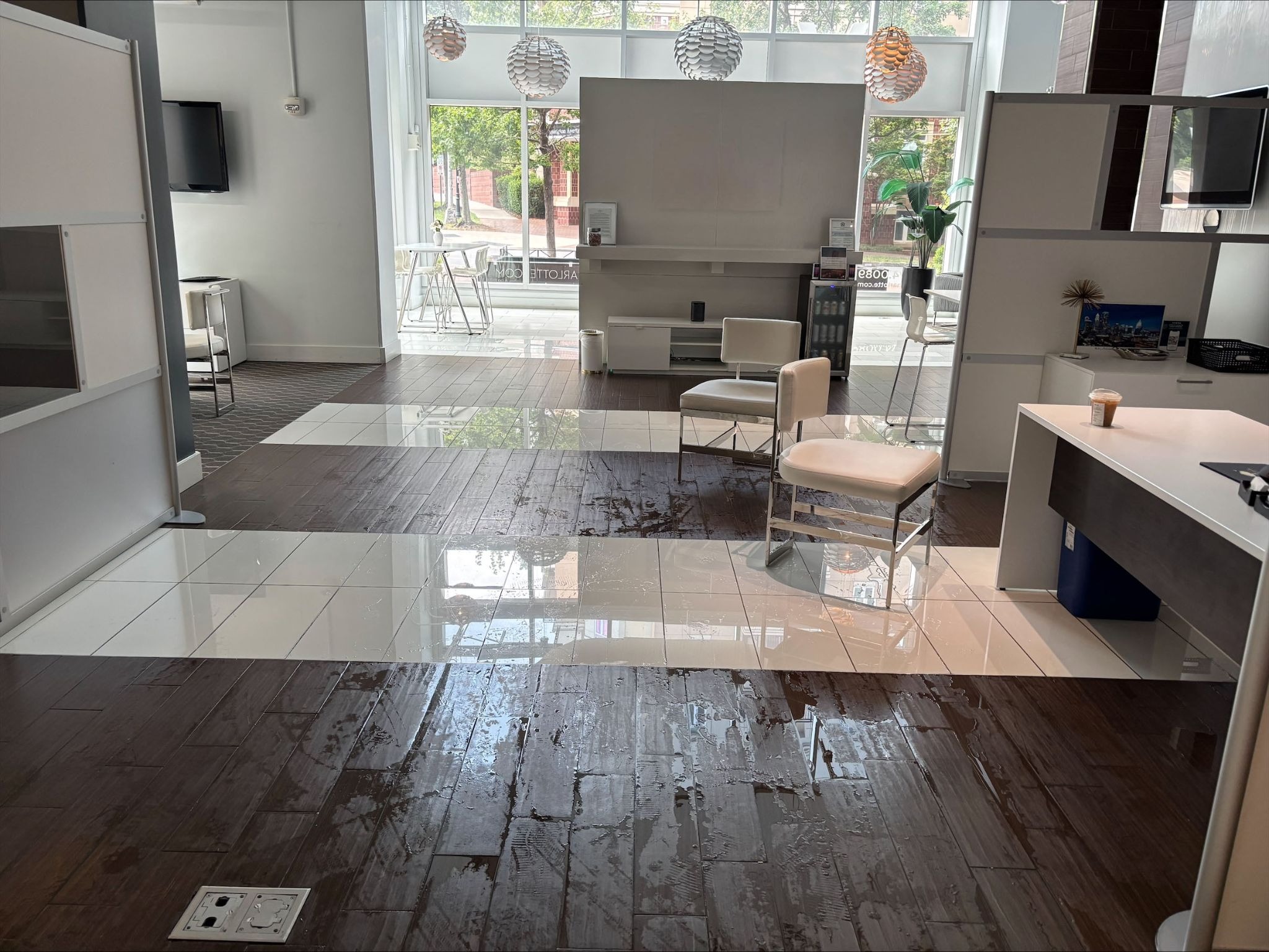
When a property remains in an unsafe or compromised state following a disaster, the risk of injury for anyone on the premises increases dramatically. Picture slippery floors from water intrusion, compromised structural elements after a fire, or poor air quality due to smoke or mold contamination. Each of these hazards creates a dangerous environment, exposing property owners and managers to significant liability. This isn’t just about potential lawsuits; it’s about the moral and legal obligation to provide a safe environment for everyone.
A fast response from a professional restoration team helps to stabilize the environment quickly and effectively. By addressing immediate hazards such as extracting standing water or initiating air purification, the window of risk is significantly reduced. This proactive approach not only mitigates potential legal exposure but also genuinely protects the well-being and safety of everyone who enters the property.
Damage Escalates with Time
The nature of disaster damage is often progressive. Water spreads, wicking into porous materials, saturating drywall, and seeping into subflooring. Smoke and soot residues, often acidic, actively corrode metal, permanently discolor walls and ceilings, and etch into sensitive electronics. Mold, given the right moisture conditions, can proliferate within 24 to 48 hours, spreading unseen. Structural materials, weakened by fire or water, continue to degrade over time.
This escalation means that what begins as a relatively manageable issue can quickly spiral into a far more complex and costly problem. A small leak ignored for a few days can lead to extensive mold remediation and structural repairs. The longer the delay, the more materials are compromised, and the more labor-intensive and expensive the restoration process ultimately becomes.
Reputational Impact
In today’s interconnected world, how a disaster is handled reflects directly and immediately on property management. Tenants, clients, and visitors are highly attuned to how quickly and effectively issues are resolved. Their perception of your professionalism and reliability is shaped by your response in a crisis.
A fast, professional, and well-coordinated disaster response signals competence, reliability, and responsibility. It reinforces trust with tenants, clients, and visitors. Conversely, a slow, disorganized, or seemingly uncaring response can severely damage trust, erode long-term relationships, and inflict lasting harm on the property’s reputation, making it harder to attract and retain tenants or customers.
Key Areas Where Fast Response Makes a Measurable Impact
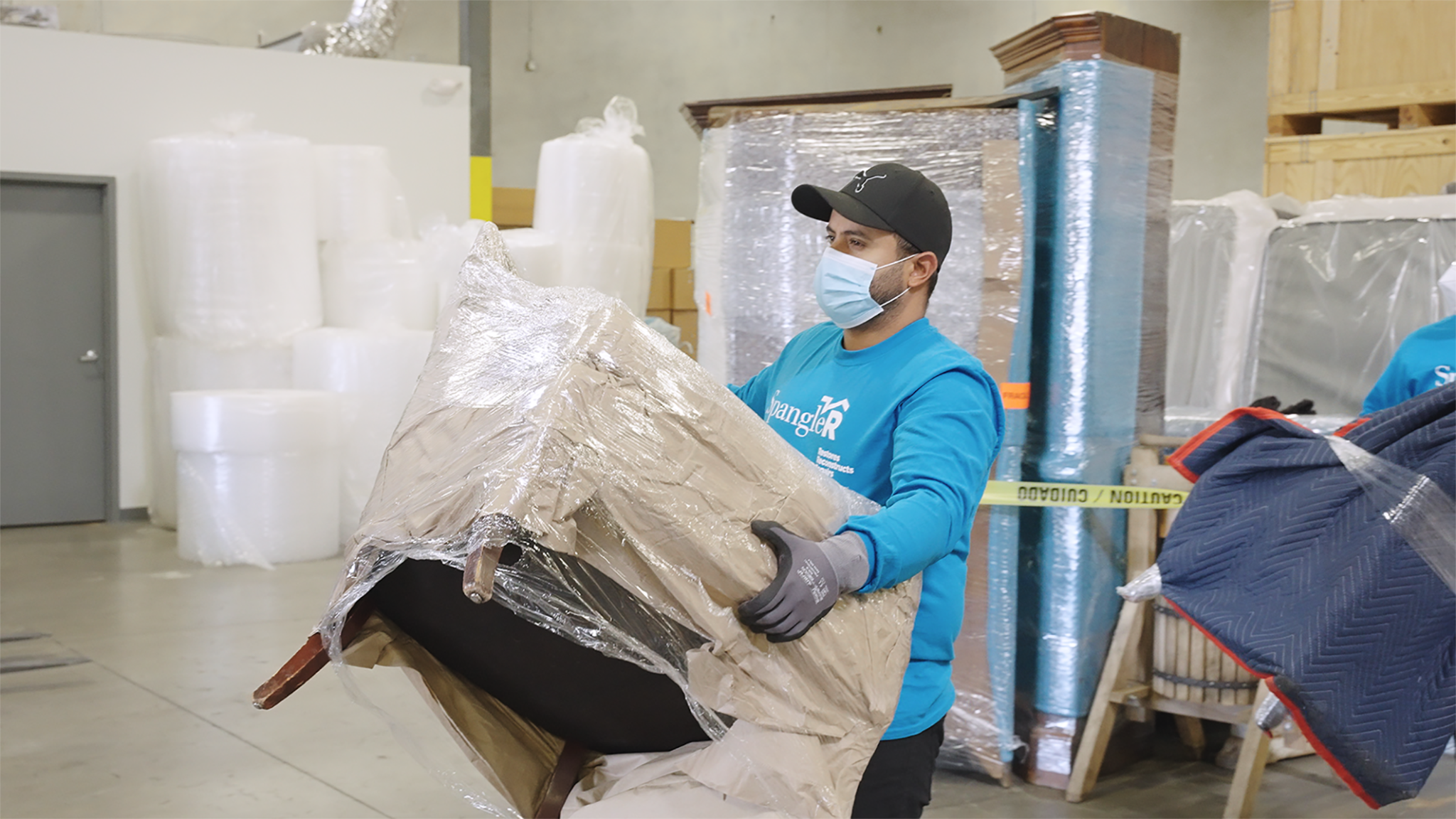
The principle of fast response is not a generic concept; its impact is distinctly measurable across specific critical areas of disaster recovery.
Water Damage Mitigation
Water damage stands as one of the most time-sensitive and potentially destructive issues a commercial property can face.
Rapid water extraction is essential to prevent severe secondary damage, such as:
- Mold growth
- Warping or deterioration of materials
- Structural weakening
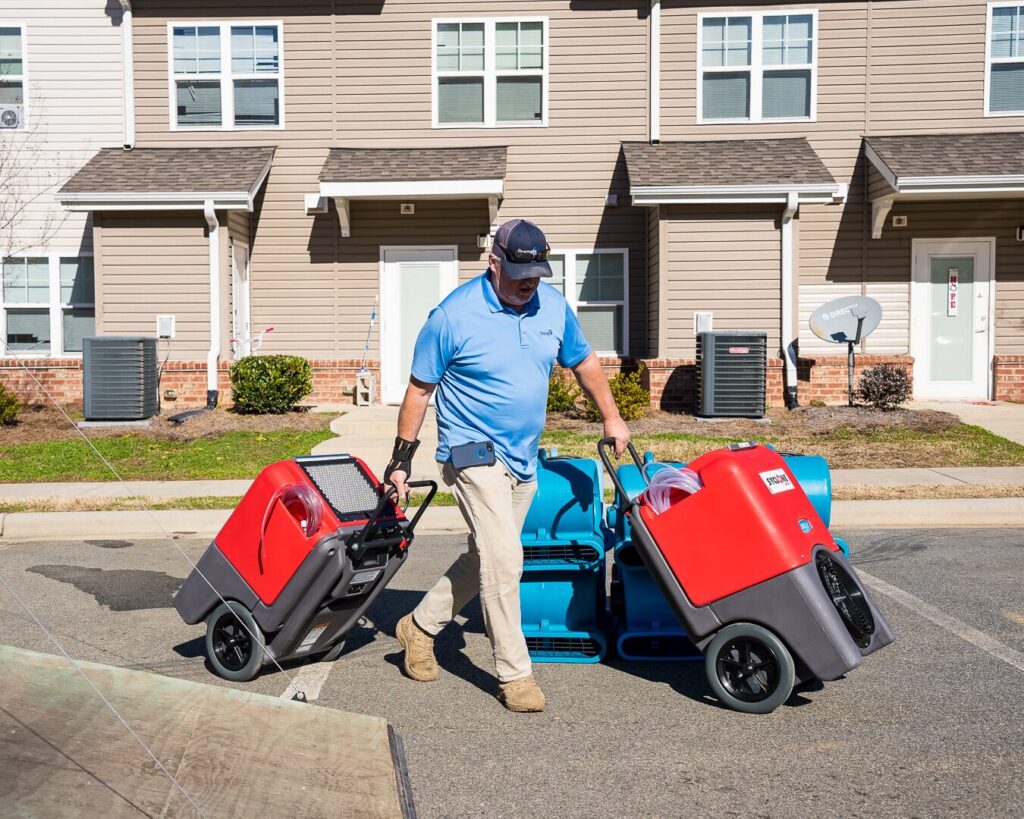
Commercial materials like drywall, carpeting, and wood components begin to soak up moisture immediately. Within just a few hours, damage can spread far beyond the initial affected area. A fast-response commercial restoration team arrives equipped with industrial-grade extraction and drying equipment. Their ability to control moisture levels quickly is paramount in limiting the extent of damage and significantly reducing the overall scope and cost of repairs.
Fire and Smoke Damage Control
After the flames of a fire are extinguished, the visible devastation is often only part of the problem. Insidious smoke and soot residues continue to cause extensive damage long after the fire itself is out.
These residues are often acidic and can:
- Corrode metal surfaces.
- Discolor walls and ceilings permanently.
- Damage sensitive electronics and equipment.
Quick intervention helps remove these contaminants before they can cause permanent, irreversible damage. Specialized cleaning techniques and agents are employed, and fast deodorization and air filtration are critical for restoring indoor air quality, making the space safe and breathable for employees and customers much sooner.
Mold Prevention
Mold can begin to develop within a mere 24 to 48 hours when conditions are right. According to the ANSI/IICRC S500 Standard and EPA Guidance on water damage cleanup and mold prevention, materials affected by water intrusion should be dried as quickly as possible to prevent microbial growth and secondary damage.
Fast response is critical to:
- Promptly remove moisture sources
- Thoroughly dry affected materials
- Prevent mold colonies from forming
By acting quickly and decisively, property managers can avoid costly and time-consuming mold remediation projects while helping maintain safe indoor environments and compliance with industry standards.
Business Continuity Planning
A fast restoration partner isn’t merely focused on fixing damage; they are intimately involved in helping your business recover faster and resume operations with minimal disruption.
Efficient response from a skilled team significantly reduces downtime and directly supports:
- Faster reopening of operations
- Minimal disruption to tenants or clients
- Better coordination across departments
Experienced restoration teams also work closely and effectively with insurance carriers and adjusters, helping to streamline the often-complex claims process. Their ability to provide thorough documentation and clear communication help reduce administrative delays, accelerating the financial recovery process as well.
Compliance and Documentation
In commercial restoration, meticulous documentation is indispensable. From insurance claims to regulatory compliance, accurate records are vital.
Fast response teams begin documenting conditions immediately upon arrival capturing:
- Precise damage assessments
- Accurate moisture readings
- Thorough mitigation steps
This comprehensive documentation unequivocally supports insurance claims and ensures strict compliance with critical safety standards, including IICRC standards, OSHA (Occupational Safety and Health Administration) requirements, and established infection control processes, along with all relevant local regulations. Accurate, timely records can make a significant difference in how quickly claims are processed and approved.
Smart Questions to Ask When Evaluating a Commercial Restoration Partner
Proactive planning is the cornerstone of effective disaster readiness. Choosing the right commercial restoration partner before a disaster occurs is a key component of robust risk management. Here are some important questions to ask any potential provider:
- How quickly can your team genuinely be on site after a call? Look for specific, verifiable commitments, such as “within the hour” or “within two hours.”
- Do you offer 24/7 commercial emergency services? Your partner must be available around the clock.
- Can you provide examples of your response times and outcomes in past commercial projects? Real-world case studies provide tangible proof of their capabilities.
- How do you coordinate with insurance carriers and adjusters? They should have established processes for seamless work with insurance providers.
- What industry certifications and qualifications does your mitigation team hold? Look for recognized credentials such as IICRC certifications, OSHA training, and infection control certifications like CICTI. This helps confirm you are working with trained professionals who follow proper standards and best practices.
The answers to these pivotal questions will help you identify whether a provider is truly equipped to deliver fast-response commercial restoration when it matters most.
Why Choosing a Fast, Professional Restoration Partner Makes All the Difference
The decision to partner with a fast, experienced, and professional restoration company is one of the most strategic choices a commercial property stakeholder can make.
- Reduced Overall Restoration Costs: Quick action inherently limits damage, which in turn reduces the need for extensive repairs or costly replacements. This proactive approach saves substantial financial resources.
- Shortened Downtime: Faster mitigation directly leads to a faster and smoother recovery process, allowing businesses to resume normal operations sooner, minimizing disruptions and protecting revenue streams.
- Minimized Liability and Risk Exposure: Rapid stabilization of hazardous conditions immediately helps protect occupants from injury and significantly reduces legal risks and potential liability claims.
- Stronger Reputation: An efficient, professional, and rapid disaster response demonstrates exceptional professionalism and unwavering reliability, reinforcing trust with all stakeholders.
- Trusted Local Expertise: A responsive, local team like Spangler Restoration brings invaluable understanding and efficiency. With multiple office locations, they can scale their response based on the size and complexity of the loss, ensuring the right resources are deployed when and where they are needed most. Their familiarity with local challenges and the urgent nature of commercial disasters allows them to respond within the set agreed time, helping minimize disruption and accelerate recovery.
Final Thoughts
When disaster impacts a commercial property, speed is not optional. It is essential for minimizing losses and ensuring a swift return to normalcy.
Fast response commercial restoration is the critical safeguard that reduces initial damage, significantly lowers costs, rigorously protects occupants, and ultimately helps businesses return to their vital operations as quickly and smoothly as possible. The measurable difference between a rapid, professional response and a delayed one can be starkly measured in both time and substantial financial impact.
For facility managers, property managers, and risk professionals, the most intelligent approach is unequivocally proactive. Establish relationships with trusted, professional restoration partners before an incident occurs.If your property experiences water, fire, or mold damage, remember that every second counts. Don’t hesitate. Contact Spangler Restoration for immediate, 24/7 commercial emergency services. With our commitment to on-site response within the set agreed time, we bring the expertise and equipment needed to protect your investment and ensure your business recovers quickly and efficiently.
You Might Also Like
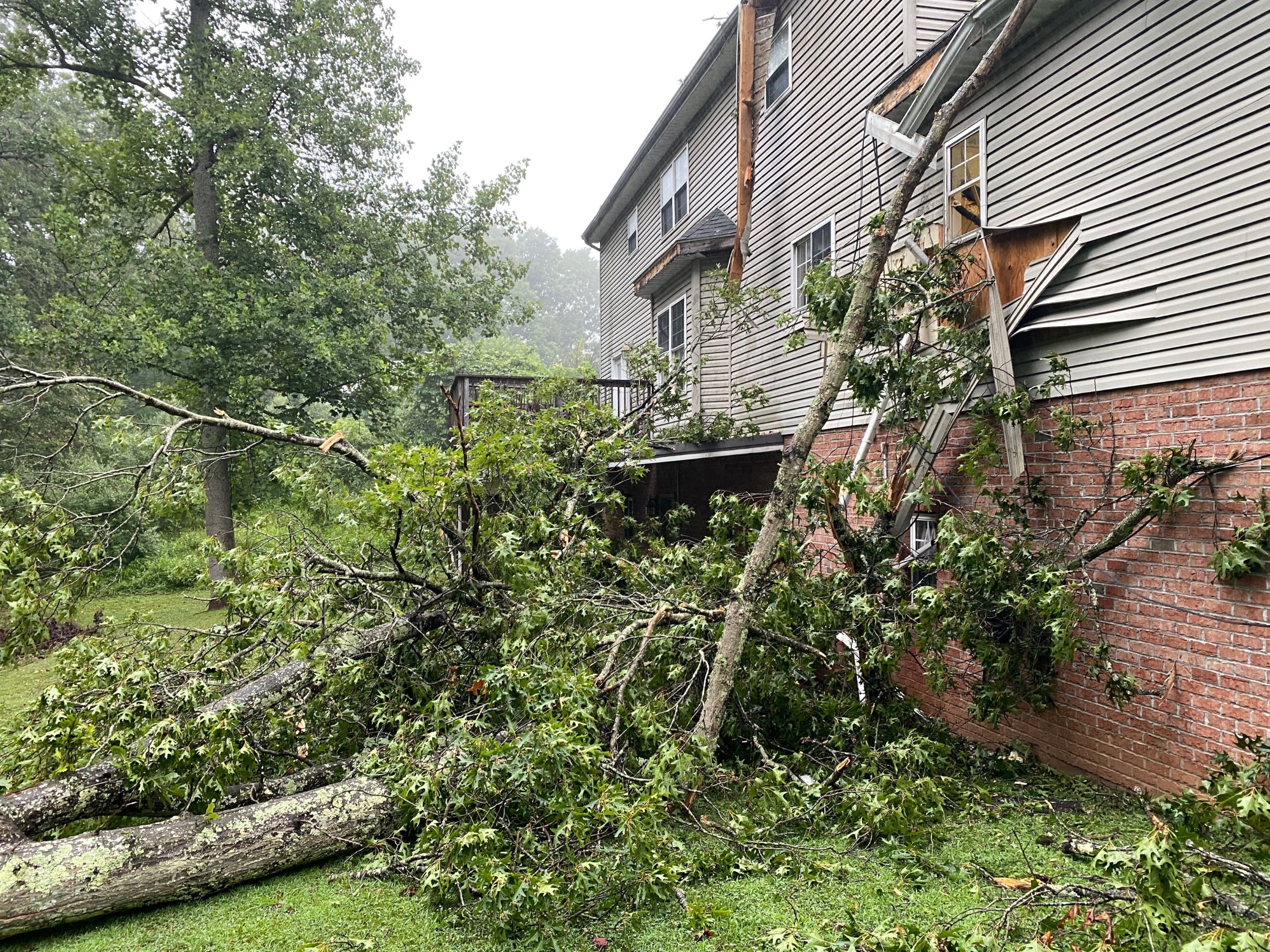
Summer Storm Damage in Charlotte: What to Do After a Thunderstorm
Trauma and Biohazard Cleanup Regulations: What Every Property Manager and Restoration Partner Should Know